Tiny Joy Rituals That Boost Exam Stress Resilience
Reading Time: 8 min
Why Tiny Joy Rituals Work
Hook: Imagine a grenade of stress that blows up in your brain, and then a tiny, friendly confetti cannon goes off instead. That’s what a tiny joy ritual can feel like when exams loom. Small, repeatable actions cue the brain to switch from frantic mode to a calmer, more capable version of you. You don’t need big shifts; you need tiny rituals that compound like points on a scoreboard.
Joy rituals are not just cute vibes; they’re scientifically grounded tools that regulate the autonomic nervous system, lower cortisol, and improve working memory under stress. When you consistently pair a micro-behavior with exam stress, your brain starts predicting relief and dial down the fight-or-flight response. The result? Clearer thinking, better recall, and lower panic when a tough question appears.
In practical terms, tiny rituals are about five things: consistency, simplicity, emotional reward, social relevance (they’re shareable), and measurability. If you can count on yourself to do a 60-second ritual every time you sit down to study, you’re building a mental muscle that makes you more resilient come test day. And yes, it’s totally doable in the chaos of finals week.

Start Now: A 5-Minute Ritual Kit to Build Resilience
Hook: You don’t have to overhaul your schedule to feel calmer. You just need a five-minute ritual kit you can reach for, every single study session. Think of it as your study-sidekick: consistent, quick, and tuned to your energy levels.
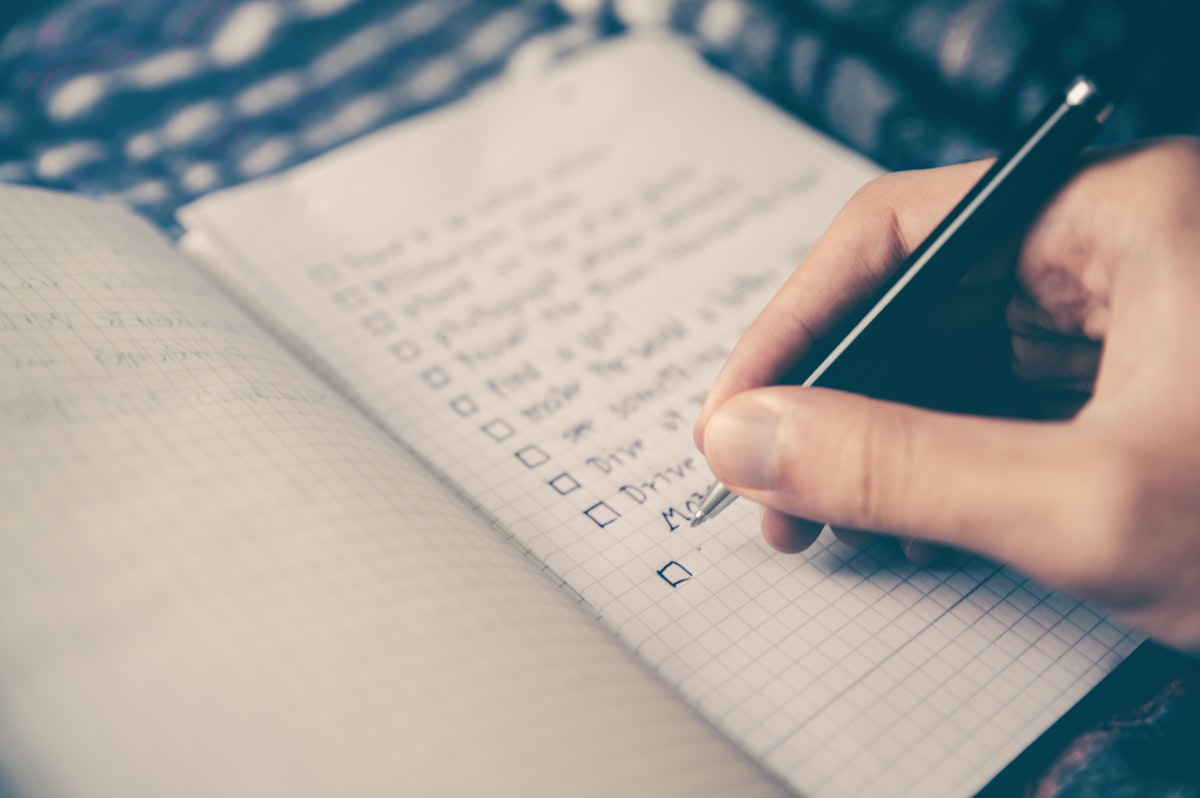
Here’s a practical 5-minute starter routine you can customize: 1) 60 seconds of box breathing (inhale 4, hold 4, exhale 6) to anchor your nervous system. 2) A tiny gratitude scan: name three things you’re grateful for in the moment (even if it’s a hard week, there’s always something). 3) A two-finger eye break: pinch your thumb and forefinger together for 3 seconds while exhaling. 4) A single-page micro-goal: write one sentence about what you will accomplish in the next 25 minutes. 5) Quick stretch: 60 seconds of neck, shoulder, and hip rolls to release tension.
Pro-Tip 1: Pair your five-minute ritual with a consistent cue (e.g., after you open your study tab or when your timer starts). The cue will become a mental switch that signals “calm focus mode.”
Pro-Tip 2: Keep a tiny ritual card in your study notebook with your 5 steps. The act of flipping to the card creates a Pavlovian trigger that boosts readiness even on rough days.
Pro-Tip 3: Track your mood and focus on a scale 1–10 after each session for a week. Note which steps correlated with higher focus. If a step isn’t helping, swap it out without guilt—the ritual evolves with you.
As you start using this five-minute kit, you’ll notice you can begin studying with less resistance and more momentum. It’s not magic; it’s a brain-friendly habit with real payoff.

Micro Rituals That Matter: Little Actions, Big Mental Shifts
Hook: If you’re chasing big wins, you’ll miss the small wins that add up. Micro rituals are your daily breadcrumbs that show up even when motivation is low, turning daily grind into a sequence of confident moments.
Rituals don’t need to be elaborate. They can be as simple as a breath-based countdown before starting a task, a tiny ritual playlist, or a 30-second mental check-in. The trick is to make them easy to repeat, difficult to derail, and genuinely joyful—so you want to do them even when stress is dialed up.
1) The 60-Second Reset: When you feel stuck, take one minute to reset your posture, breathe, and recenter. This is your brain’s pause button before a problem-solving sprint. 2) Micro-Reward Loop: After a 25-minute focused burst, give yourself a tiny reward (a 1-minute dance, a sip of water with lemon, a quick meme break). The dopamine from small rewards compounds motivation. 3) Sound-Driven Focus: Create a short, uplifting playlist of 3–5 songs that you only listen to during study sessions. The association makes focus easier when you press play.
Breathing, Mindset, and Momentum: A Calm-First Mentality
Hook: Your breath is a programmable engine for your brain. When you learn to drive this engine, you’re not chasing calm; you’re bringing it with you into every question you face on the page.
Breathing exercises—especially box breathing or square breathing—stabilize heart rate and create a window of improved executive function. Mindset matters too: reframing a challenging problem as a puzzle to solve rather than a threat to survive transforms your approach from avoidance to inquiry.
Practical breathing drill (2 minutes): inhale for 4 counts, hold for 4, exhale for 6, hold for 2. Repeat 5 rounds. Then, set a micro-goal: “I will identify 2 clues in this paragraph and write one clarifying question.” The brain loves concrete steps, not vague intentions.

Digital Doses: Light-Techniques to Keep Focus Without Feeling Wired
Hook: Yes, your phone is both a villain and a tool. The trick is learning how to dose it like medicine—tiny, intentional doses that actually support your study flow instead of wrecking it.
Use technology to your advantage with three quick tricks: 1) App timers with gentle reminders to stop, breathe, and reset. 2) A “focus mode” routine where notifications are muted during a 25-minute study block. 3) A 3-tab rule: keep three essential tabs open—notes, sources, and a timer—and keep everything else closed. Less distraction equals more memory consolidation and faster problem-solving.
In addition, use keyboard shortcuts to reduce friction. For example, Ctrl/Cmd + T to open a new tab, Ctrl/Cmd + W to close, and Ctrl/Cmd + R to refresh. Small efficiency wins compound into big study sessions over a week or two.
Rituals You Can Repeat: Create Your Own Sustainable Cycle
Hook: No one expects you to be perfect, but you can be consistent. The power of ritual lies in the repetition, not the perfection. Build a cycle you want to repeat daily through finals and beyond.
Begin with a three-step ritual that you can repeat in any environment: 1) Centering 2) Intent setting 3) Micro-action. Example you can tailor: inhale for a count of four, write one precise question you want answered, sprint through 25 minutes of focused work, then reflect for 60 seconds on what worked and what didn’t.
Customize your cycle by theme days: Monday = memory mastery (mnemonics quick-cycle), Tuesday = speed reading drill, Wednesday = synthesis and writing focus, Thursday = problem-solving intensity, Friday = review and renewal. The rhythm anchors your mind and reduces the anxiety that finals bring.
Pro-Tips: Unique, Actionable Micro-Strategies You Won’t Find in a Textbook
Hook: These are not generic study tips; they’re micro-actions designed to slot into your day without stealing your soul. Try them and watch resilience grow.
Before you start a study block, glance at a 3-choice mood scale on paper or a note app: A) Energized, B) Neutral, C) Anxious. Pick one focus plan aligned with that mood. If you’re anxious, choose a calming start (breathing + tiny stretch). If energized, dive into a demanding task with a 25-minute sprint. This simple alignment reduces resistance and makes every session feel intentional, not forced.
Before any deep dive, write one clarifying question on a sticky note or in your doc: “What is the simplest path to answer this problem?” Then, bracket your study session to answer that question. This shifts your brain from “search mode” to “targeted inquiry,” boosting comprehension and retention with minimal extra effort.
End every 25-minute block with 60 seconds of reflection: jot down one insight, one trap you avoided, and one next-step. This tiny habit creates a feedback loop that compounds knowledge and reduces rework later. It’s like building a learning museum in your notebook—every artifact tells a story you can revisit during finals.
Set three ambient cues in your environment (color, scent, or a specific desk arrangement). Returning to that same anchor for study blocks creates a conditioned response: your brain recognizes the cue and shifts into study mode faster with fewer clicks of “resume panic.” You don’t need fancy gear—just a consistent desk setup and one scent you associate with focus.
FAQ
Is it okay to mix these rituals with my existing routine?
Yes. The rituals are designed to slot into whatever schedule you already have. Start by replacing one distracting habit with a tiny ritual, then gradually add more as you feel ready. The goal is sustainable momentum, not perfection.
Will these rituals help with all-nighters or only regular study sessions?
Rituals help in both cases. When you’re sleep-deprived, a quick reset and breath work can prevent spiraling anxiety and improve cognitive flexibility. When you’re not sleep-deprived, rituals amplify focus and memory consolidation. The key is to prioritize short, repeatable actions that don’t demand extra energy you don’t have.
How do I measure if rituals are actually helping?
Track mood, focus, and perceived performance after each session for two weeks. Create a simple chart: session number, mood (1–10), focus (1–10), and a short note on what worked. Look for upward trends or patterns—e.g., “breathing + micro-goal always yields higher focus.” Use that data to tailor your ritual kit.
Internal reads: The Ultimate Guide to Student Life • How to Use Your Phone Without Letting It Run You • The Ultimate AI Study Workflow
Closing: You’ve Got This — Tiny Joys, Massive Resilience
Hook: The finals sprint isn’t a sprint; it’s a marathon you can pace with joy. Each tiny ritual is a checkpoint where you stop, breathe, and choose a path toward mastery rather than panic.
When you combine micro-actions, mindful breathing, and a pinch of digital discipline, you’ll notice yourself handling stress with a cool confidence you didn’t know you had. The resilience you build now compounds into your future study sessions, your career, and your life—proof that small, joyful rituals can move mountains over time.
Remember: you’re not aiming for perfect study sessions; you’re cultivating a habit that keeps you moving forward with curiosity and care, even when the going gets tough. So pick one ritual, start today, and celebrate every tiny win along the way.
Comments